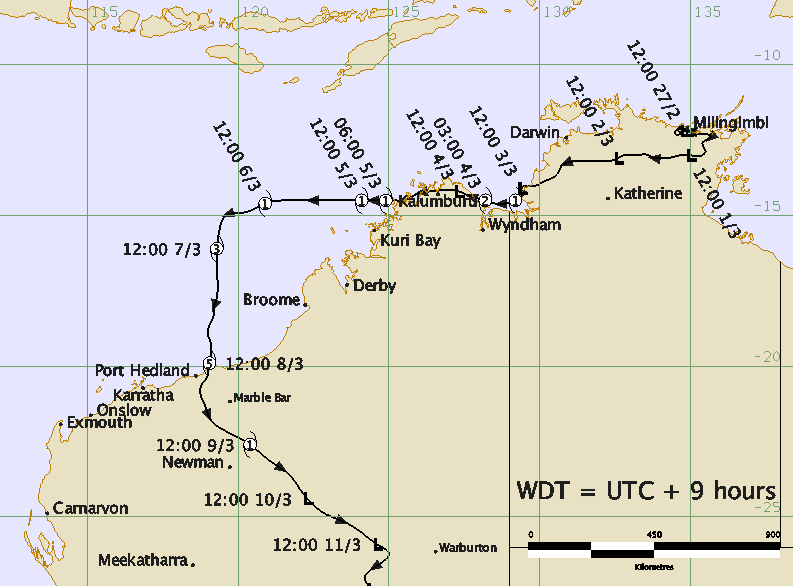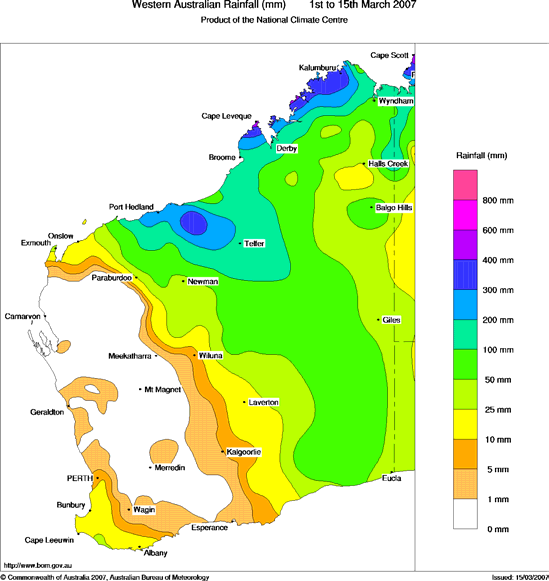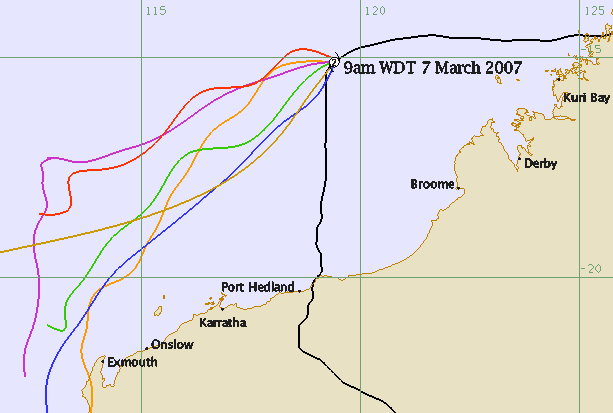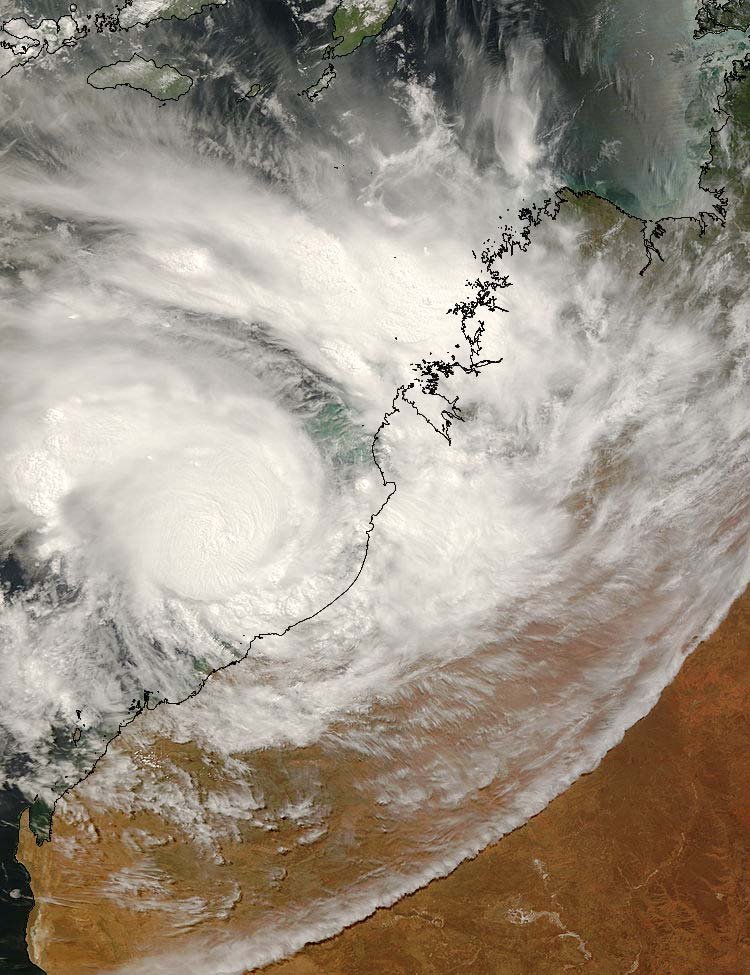
Very early in the morning on 8 March 2007, a very big Category 5 storm hit the coast of Western Australia. The wind was 240 km/h. Not many people live in this area. There are just some mines and a few small fishing towns. But Cyclone George hit the iron mines. And the iron mines make lots of money for Australia. When George hit, the whole world felt it.
The Pilbara is in the north-west of Australia. It is a very special place. Under the red dirt, there is lots and lots of iron. It is some of the best iron in the world. Every year, trucks dig up millions of tonnes of iron. Then big ships take the iron to Japan, South Korea, and (most of all) China. China uses this iron to make steel. They need lots and lots of steel. So the mines in the Pilbara were making lots of money. The big mines are owned by BHP and Rio Tinto. These mines are very important for Australia.
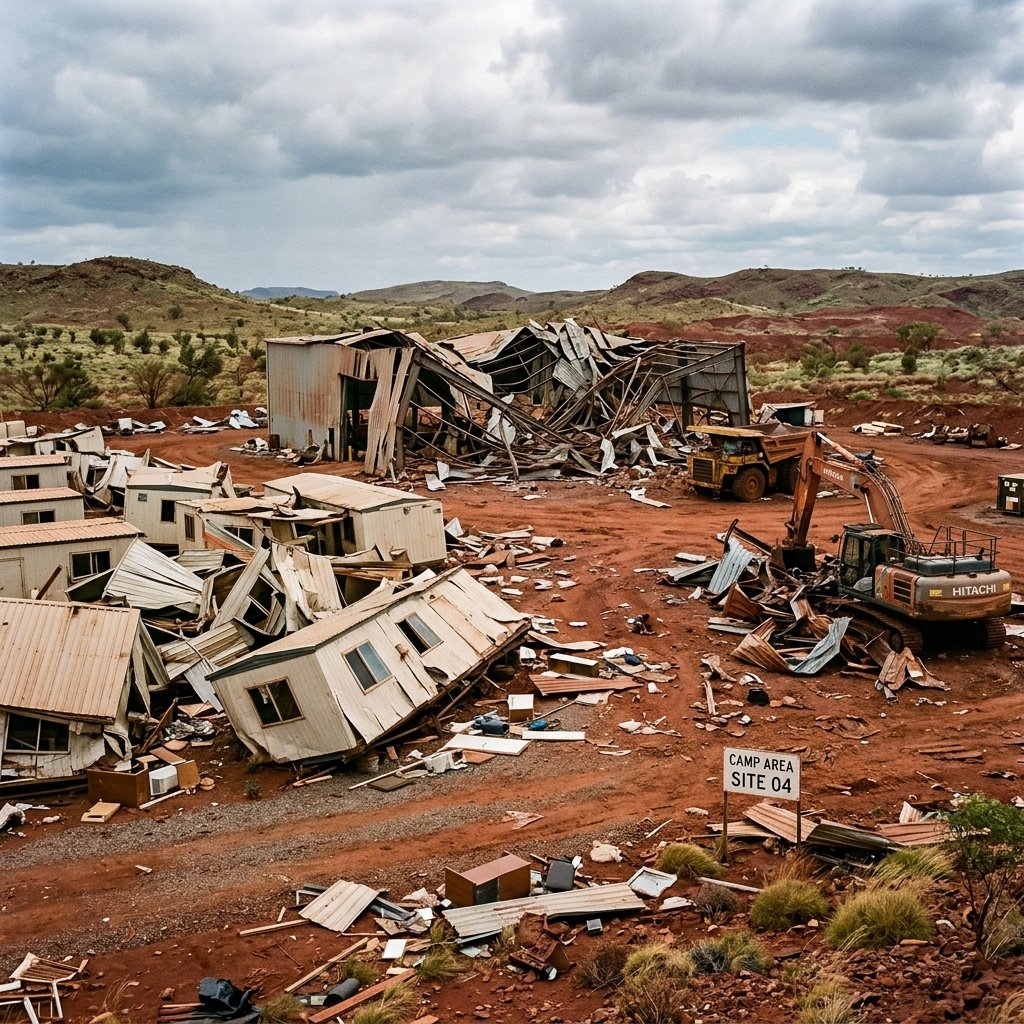
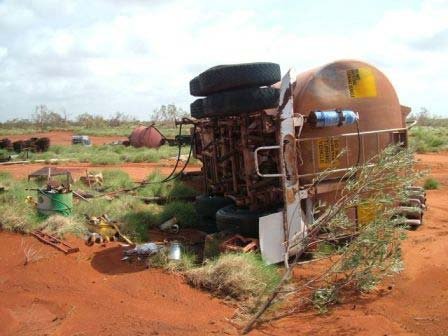
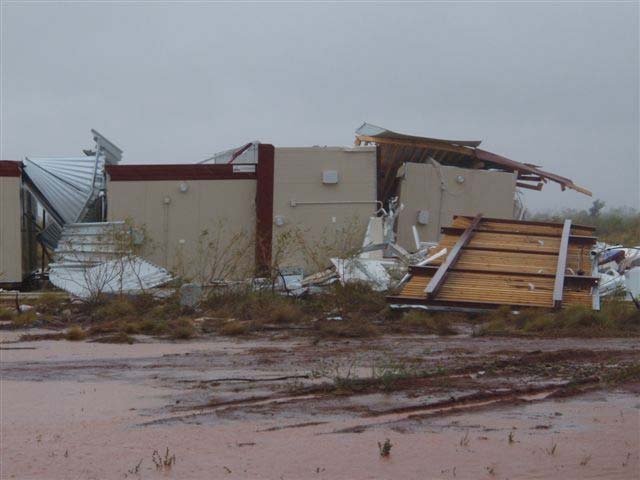
At 1:50 AM on 8 March, Cyclone George hit the land just south of Port Hedland. It was the biggest cyclone to hit this area since Cyclone Joan way back in 1975. The top wind gusts were 295 km/h. The storm caused 2.9 billion dollars of damage in the area. But it did not break homes and schools, like Darwin or Innisfail. It broke the machines that move the iron, the things that load the ships, the mine buildings, the roads, and the camps where the workers live.
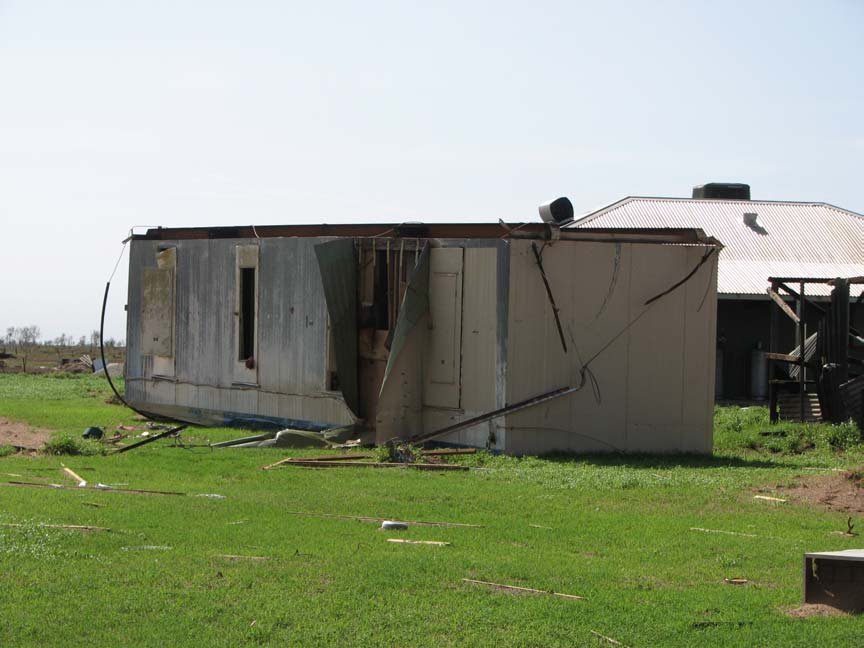
“We were sheltering in a demountable. I could hear the steel walls moving. Not vibrating — actually flexing. And then the roof lifted off and we just held onto each other in the dark.
In easy words: We were hiding in a small hut. I could hear the steel walls moving. They were not just shaking — they were bending. Then the roof came off. We just held each other in the dark.
People Died
Three people died in Cyclone George. They were all at the Ophthalmia Dam work camp. This camp was run by a mining company called Fortescue Metals Group. It was south of Port Hedland. The three men died when the small huts they were in got blown over and broken by the wind. One more man was very hurt but he lived.
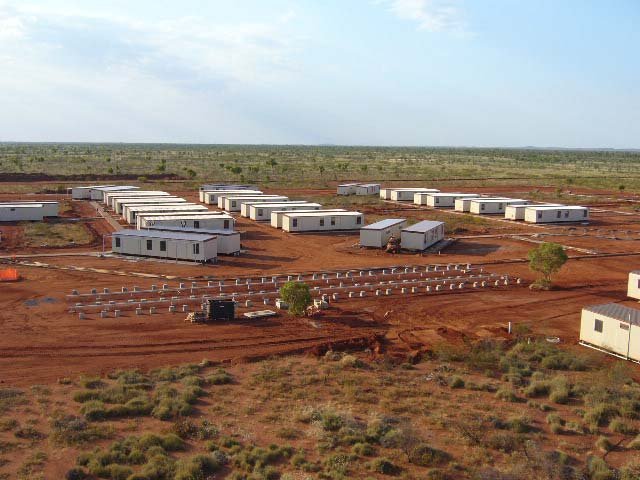
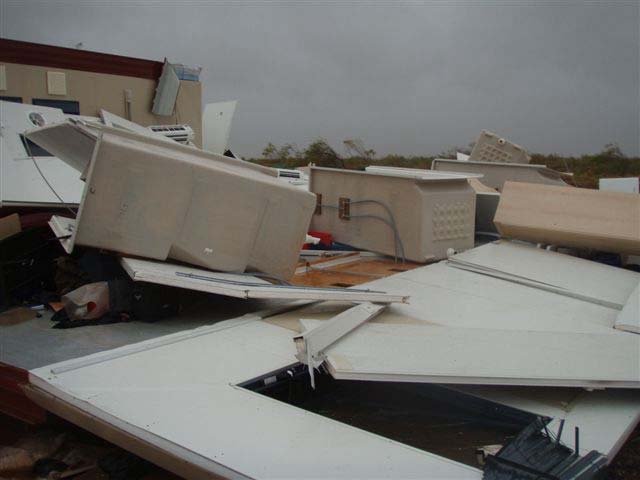
When the three men died, people started looking hard at the work camps. They looked at how the huts were built. And they looked at what the mine did to get ready for a cyclone. They found a big problem. The mines had grown very fast. Lots of workers would fly in to work and fly out again. But no one had made proper rules for the huts where those workers sleep. The rules had not kept up with all the new work camps in cyclone places.
The Whole World Felt It
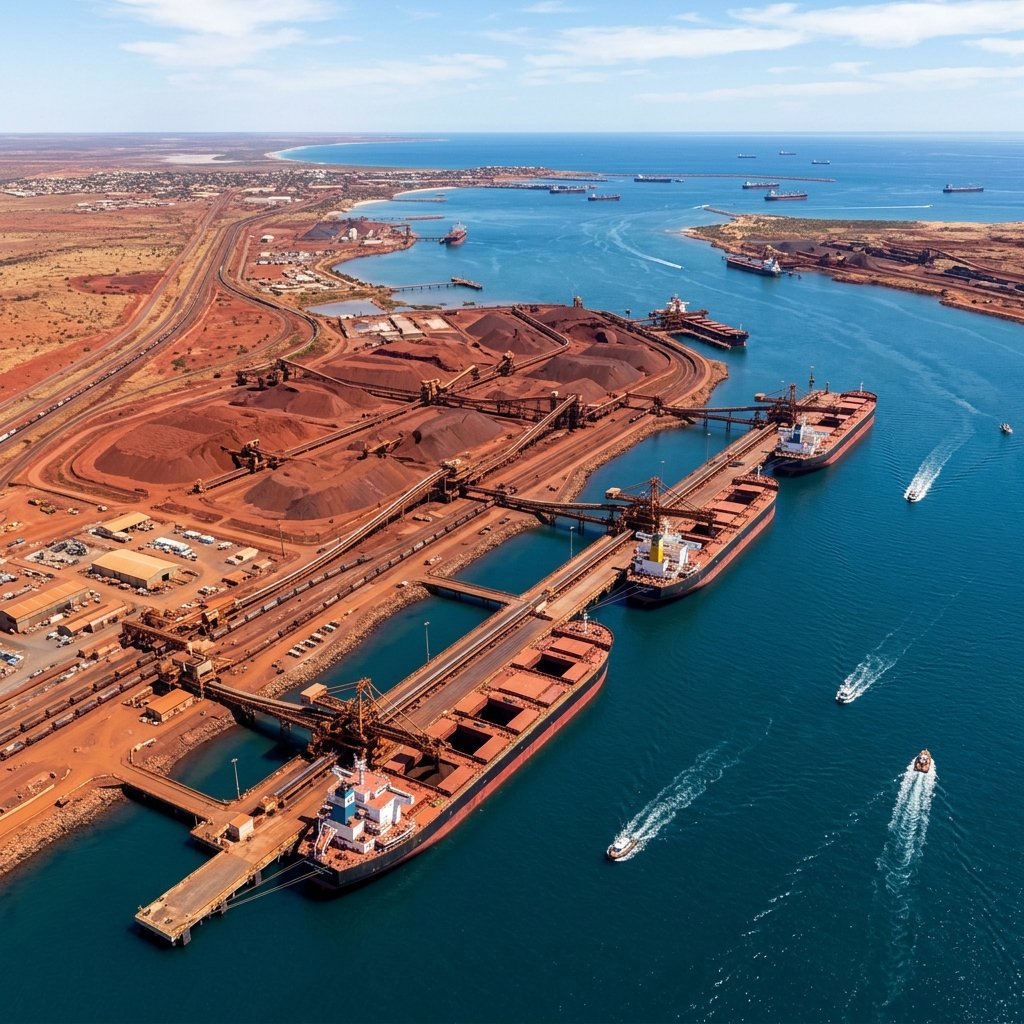
After the storm, no ships left Port Hedland for about two weeks. To know how big this is: Port Hedland sends out more iron than any other port on Earth. Every year, it sends out more than 500 million tonnes of iron. 80 out of every 100 tonnes go to China. So when it stops for two weeks, the people who buy and sell iron in Tokyo, London, and Shanghai all feel it.
At that time, the steel places in China were making lots and lots of steel. They were very busy. They did not want to slow down. So they had to look in other places to get iron. The price of iron went up. People who owned bits of Australian mines saw the prices jump. One storm in a far away place had changed things all over the world. It showed us something we did not know. The whole world needed this little bit of red Australian coast.